Popular Brands
Featured Cars
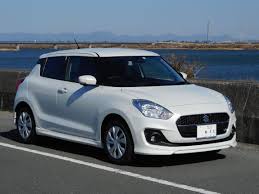
Maruti Suzuki Swift
Petrol/CNG | Manual & AMT | Mileage: 24.8 km/l
View Full Details →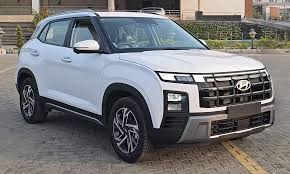
Hyundai Creta
Petrol/Diesel | Manual & Automatic | SUV
View Full Details →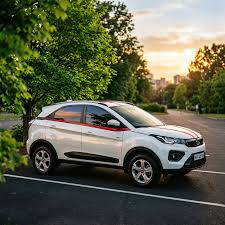
Latest Articles & Guides
Tata Sierra Features: Specifications and pricing
Tata Sierra Features:- We all know that a conversation about cars is incomplete without mentioning Tata. After numerous teasers and much anticipation, the Sierra has arrived in India with a starting price of ₹11.49 lakh (ex-showroom).
Read Full Article →10 features of Hyundai Creta 2026 – Check all Details
10 features of Hyundai Creta 2026 :- We all know that the mid-size SUV segment is one of the most fiercely competitive areas in the automotive world. Yet one name has remained at the forefront for years: the Hyundai Creta.
Read Full Article →10 Features of the Maruti Suzuki Swift
10 Features of the Maruti Suzuki Swift:- We all know that when it comes to the Indian automotive market, few cars are as iconic and popular as the Maruti Suzuki Swift.
Read Full Article →Frequently Asked Questions
How do I find the on-road price of a car in my city?
The on-road price includes the ex-showroom price plus RTO registration charges, road tax, insurance and other local fees, which vary from state to state. On CarsDhundo, each car's review page lists the approximate on-road price range so you can plan your budget more accurately before visiting a dealership.
Is it better to buy a petrol, diesel, CNG or electric car?
It depends on your daily driving distance, fuel availability and budget. Petrol cars suit low-mileage city driving, diesel works well for high-mileage highway use, CNG helps reduce running costs, and electric vehicles are ideal if you have home charging and mostly drive within city limits. Our comparison guides break down running costs for each fuel type.
What documents are required when buying a used car?
Key documents include the original Registration Certificate (RC), valid insurance papers, pollution under control (PUC) certificate, service history records, the seller's ID proof, and a signed sale agreement. You should also complete the RC transfer process at the RTO to legally transfer ownership into your name.
How accurate are the mileage figures listed for cars?
The mileage figures shown are the official manufacturer-claimed figures, typically measured under standardized test conditions. Real-world mileage can vary depending on traffic conditions, driving style, vehicle load and maintenance, so actual figures are usually a bit lower than the claimed numbers.
What is the ideal budget for a first-time car buyer in India?
There's no fixed rule, but a common guideline is to keep your car's on-road price within about half of your annual income, so EMIs and running costs remain manageable. For most first-time buyers, hatchbacks and compact SUVs in the 6 to 12 lakh range offer a good balance of features, safety and affordability.
How often should I service my car?
Most manufacturers recommend a service every 10,000 km or every 12 months, whichever comes first, though this can vary by brand and model. Following the recommended service schedule helps maintain warranty coverage, improves fuel efficiency and reduces the chance of major repairs later.
What safety features should I prioritize when buying a car?
Look for dual front airbags as a minimum, along with ABS with EBD, electronic stability control, ISOFIX child seat anchors and a high Global NCAP or Bharat NCAP safety rating. Rear parking sensors and a rearview camera are also valuable, especially for first-time drivers.
Should I buy a car with a manual or automatic transmission?
Manual transmissions are generally cheaper to buy and maintain, while automatics offer more comfort in heavy traffic. Among automatics, AMT is the most affordable option, CVT offers smoother performance, and torque converter or DCT gearboxes provide the best driving experience but usually cost more.
How do I compare two car models effectively?
Start by comparing price, engine performance, mileage, safety ratings and the warranty offered. Then look at practical factors like boot space, service network availability in your city, resale value and the cost of spare parts, since these affect long-term ownership costs.
Is car insurance mandatory in India?
Yes, at least third-party liability insurance is legally mandatory for every vehicle in India under the Motor Vehicles Act. Many owners also opt for comprehensive insurance, which additionally covers damage to their own vehicle from accidents, theft and natural disasters.
How is the resale value of a car determined?
Resale value depends on factors like brand reputation, model demand, total kilometers driven, overall condition, service history, number of previous owners and current market trends. Cars from brands with strong reliability records and wide service networks tend to retain their value better over time.